Tell us what you're building. We'll come back with a plan.
DealNest — real estate CRM dashboard
Overview
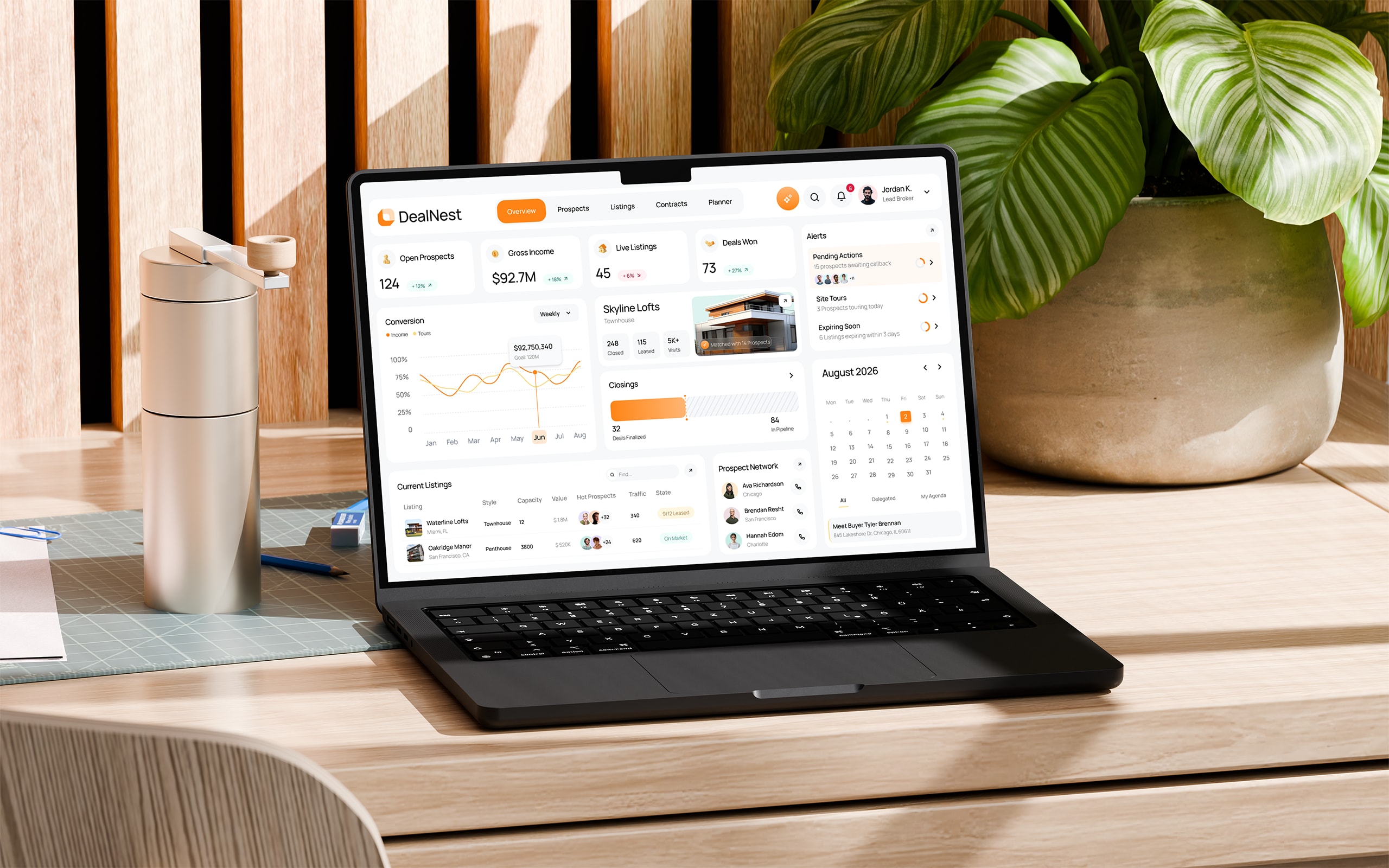
DealNest is a CRM platform purpose-built for real estate brokerages and independent agents. It consolidates prospect tracking, property listings, calendar scheduling, document management, and revenue analytics into a single dashboard — replacing the disconnected spreadsheets and generic CRMs that most agencies struggle with.
The founding team approached LevelByte after outgrowing a cobbled-together system of Google Sheets, WhatsApp groups, and a legacy CRM that hadn’t been updated in four years. They needed a modern, mobile-friendly platform that could handle 120+ active prospects, 45 live listings, and multi-agent scheduling — all while giving brokers real-time visibility into pipeline health and deal velocity.
Over nine weeks we took DealNest from whiteboard sketches to a production-ready platform: data modelling, UX design, full-stack development, and deployment on containerised infrastructure — delivering a system that launched with $92.7M in tracked revenue and 124 active prospects across three brokerage teams.
The Challenge
Before partnering with LevelByte, the DealNest team had validated strong demand through pilot programmes with two mid-size brokerages. But replacing manual processes with a purpose-built platform exposed several critical gaps that were blocking growth and agent adoption.
Disconnected workflows
Prospect data lived in spreadsheets, property details in shared drives, scheduling in personal calendars, and deal status in email threads — meaning no single agent could see a complete picture of their pipeline without manually cross-referencing four different tools.
No pipeline visibility
There was no centralised dashboard showing deal stages, stale prospects, or overdue follow-ups — making it impossible for team leads to forecast revenue or identify prospects falling through the cracks.
Document chaos
Leases, disclosures, title deeds, and inspection reports were scattered across email attachments, cloud drives, and filing cabinets — creating compliance risks and costing agents 40+ minutes per deal just locating paperwork.
Mobile-first agents
Brokers spend 70% of their day in the field. The existing tools were desktop-only, meaning agents couldn’t update deal status, check schedules, or upload photos between property viewings without returning to the office.
Project Timeline
Broker shadowing in the field, lead-intake mapping, and the full deal lifecycle from first enquiry to signed contract. Locked the data model (Agent, Prospect, Property, Transaction, Event, Document) against real pilot pipeline data.
Sprint plan, story breakdown, and a competitive audit of 4 existing CRMs. Defined engineering standards, the CI/CD shape, and the slice strategy that let us demo working software every week.
Wireframes for all 7 core screens (overview, prospect grid, lead form, property editor, calendar, document vault, mobile home). Component library and design tokens shipped before a single feature was written.
The product itself: prospect pipeline, property editor with photo upload, interactive weekly planner, document vault with drag-and-drop, revenue analytics dashboard, and the mobile-first agent surface.
Load tested with 300+ simulated agents, mobile field testing during live open houses, document-upload stress tests up to 20 MB, and a full RBAC + RLS security review before promotion.
Production deploy on Docker + AWS RDS with Redis-backed sessions, monitoring, daily backups, and the 7-day post-launch bug warranty — plus a recorded handoff walkthrough.
Key Features Delivered
Technology Stack
Each layer chosen for the way it serves the product \u2014 not the trend cycle.
Frontend
Server-rendered React on Next.js — agent-facing screens stay fast on flaky open-house Wi-Fi and feel native on mobile from day one.
Backend
Typed API routes on Node, with Prisma as the single source of truth for the schema — every endpoint validated against the same model the UI consumes.
Data & storage
Postgres holds the relational pipeline, Redis powers sub-200ms dashboard reads, and S3 stores property photos, leases, and disclosures.
Ops & insight
Reproducible Docker deploys for every environment and PostHog wired in from launch — so every broker click feeds real product decisions.
Results & Impact
Nine weeks from whiteboard to a live brokerage product — here is what landed in production.
Design & Development Highlights
 01 · HighlightUX
Wireframing & UX Strategy
We structured the product around six core workflows: pipeline monitoring (overview), prospect management (grid + form), listing management (property editor), scheduling (calendar), document handling (vault), and mobile field access (homepage). Each workflow was wireframed end-to-end and validated against real deal data from the pilot brokerages — including edge cases like prospects interested in multiple properties, overlapping agent appointments, and listings with expired documents. This ensured every screen served a real operational need rather than a theoretical one.
- 6 core workflows mapped end-to-end
- Validated against real pilot brokerage data
- Zero dead-end screens — every path has a next step
Final Thoughts
DealNest proves that a vertical CRM built for a specific industry will always outperform a generic tool stretched to fit. By designing every screen around the actual daily workflow of real estate agents — from morning pipeline reviews to afternoon property tours to end-of-day follow-ups — we delivered a product that agents genuinely want to use, not one they’re forced to.
In nine weeks, we went from whiteboard sketches to a production platform tracking $92.7M in revenue across 124 prospects and 45 listings. The mobile-first approach meant agents adopted the tool immediately, logging deal updates from property viewings and uploading photos directly from their phones. Dashboard loads stayed under 200ms even during peak hours, and the system has maintained 99.6% uptime since launch.
This project reinforces a core LevelByte principle: the best software disappears into the workflow. DealNest doesn’t feel like a CRM — it feels like a natural extension of how brokers already work. That’s the difference between a tool people tolerate and one they rely on.
More Work
 Health & Fitness / Mobile10 weeks
Stride
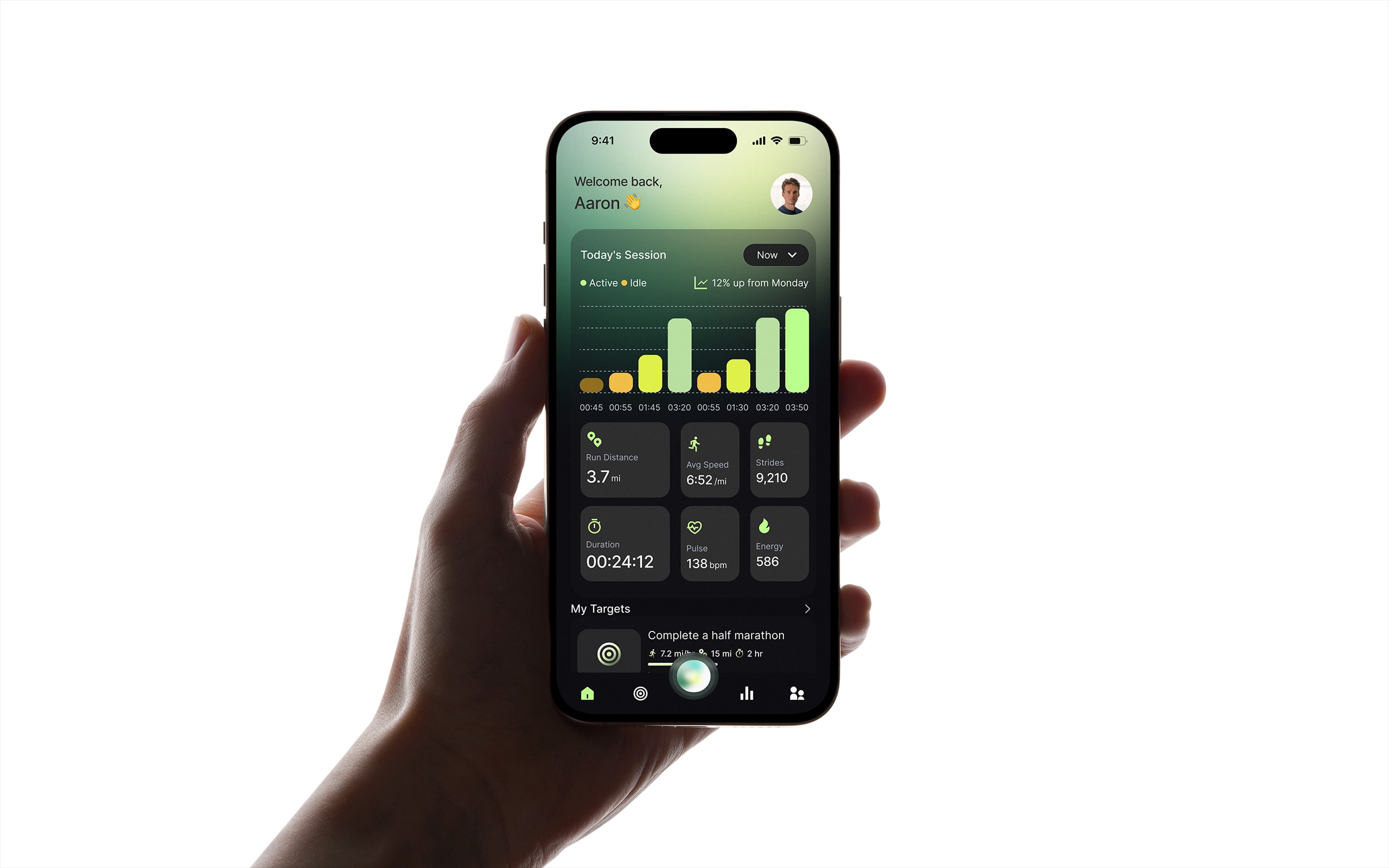
Stride is an AI-powered fitness and running companion built for everyday runners who want smarter training without the complexity of professional coaching apps. It combines live GPS tracking, real-time pace analytics, goal management, and a built-in AI coach that adapts training plans to each runner’s history, body metrics, and personal targets — all inside a clean, native mobile experience.
 Productivity / Project Management10 weeks
Tracklane
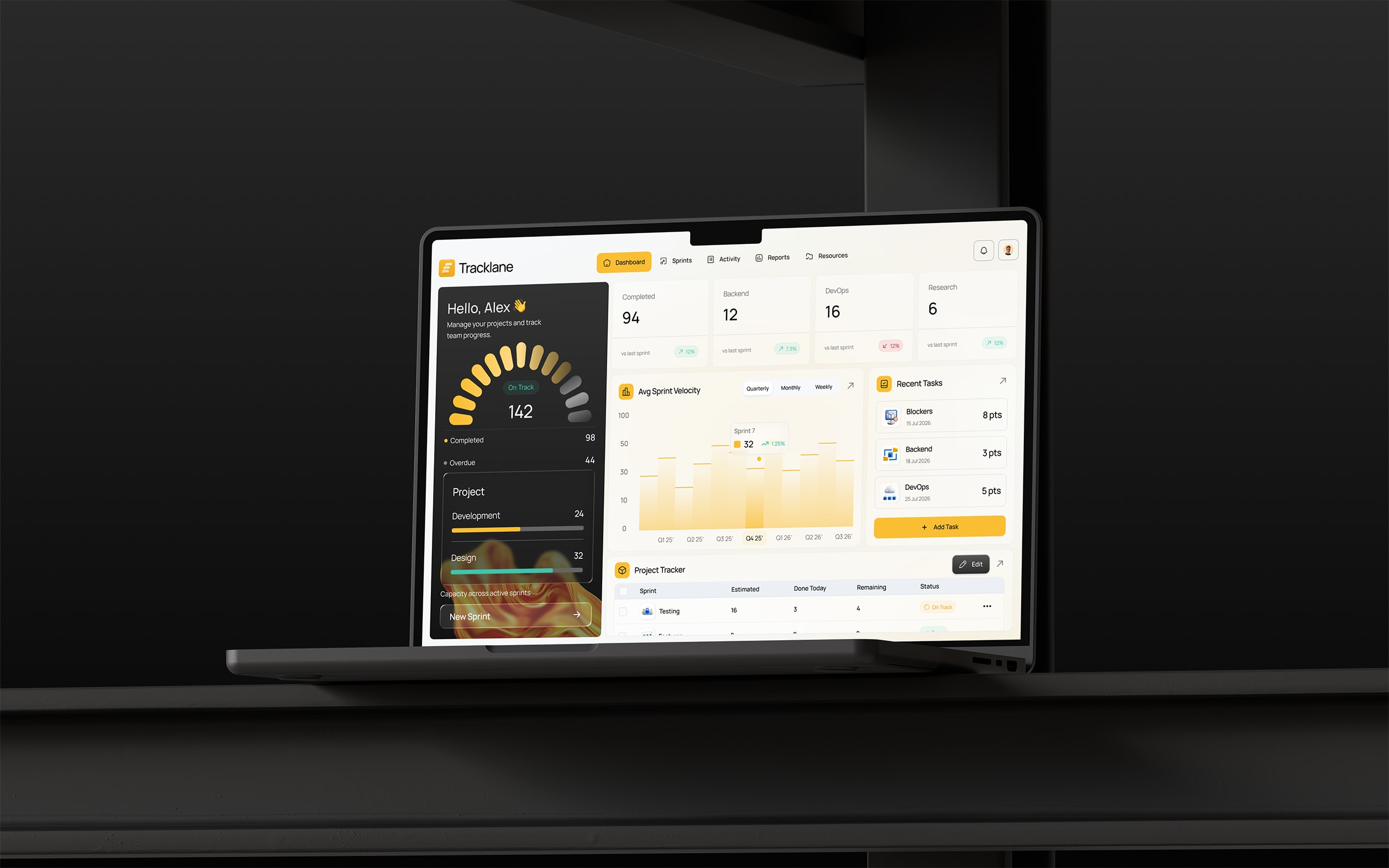
Tracklane is a project management platform built for fast-moving product teams. It gives engineering leads, designers, and project managers a single dashboard to track sprint health, team workload, task status, and delivery velocity — without the overhead of enterprise PM tools.
 SaaS / Workflow Automation8 weeks
Flowstep
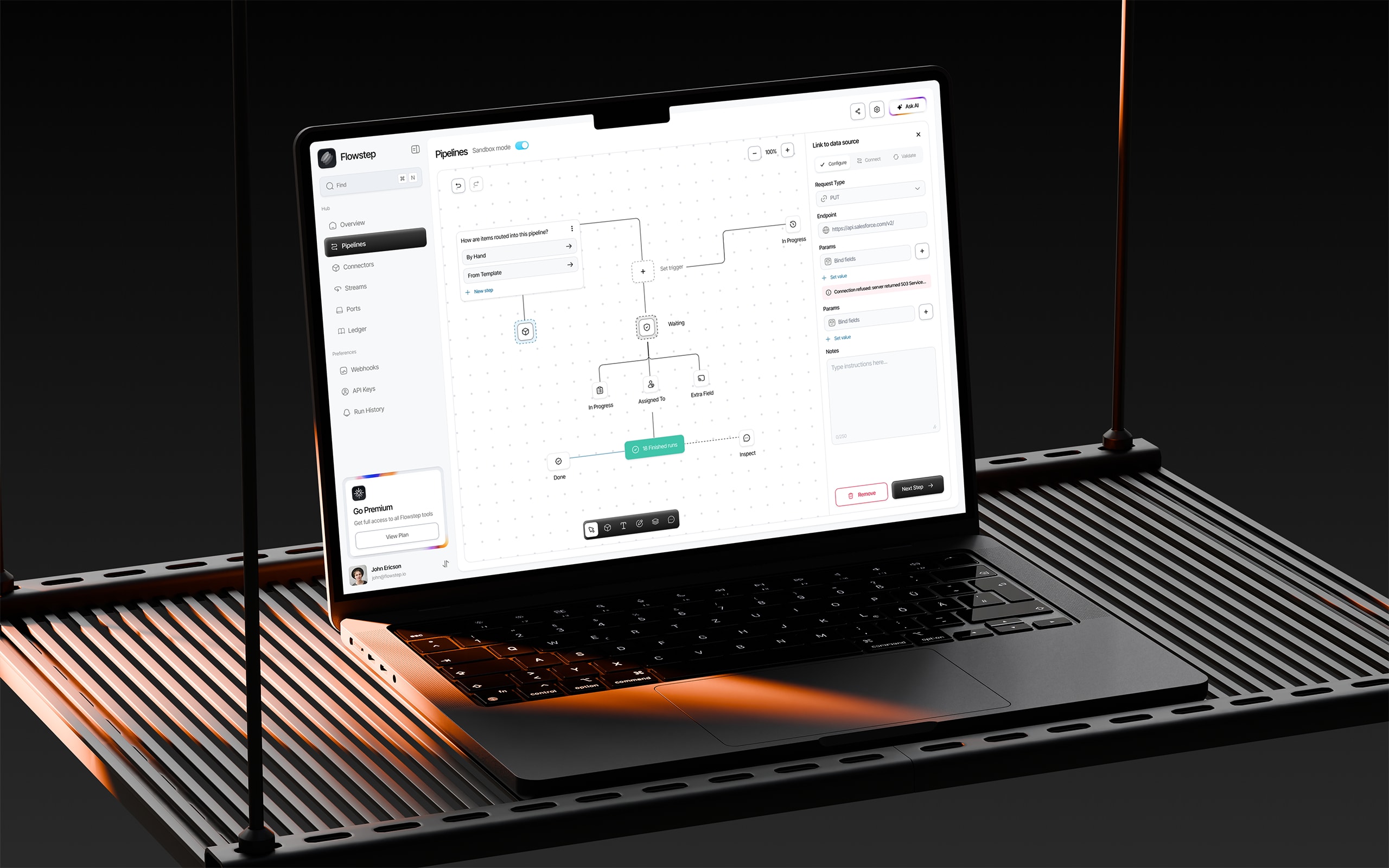
Flowstep is a workflow automation platform that lets teams connect their favourite tools — Jira, Slack, Mailchimp, Intercom, and dozens more — into programmable pipelines that run on autopilot. Instead of switching between tabs and copying data by hand, users wire up triggers, steps, and connectors in a visual builder, then let the system handle the rest.